Liposuction Farmington Hills and Body Positivity: Finding the Right Balance
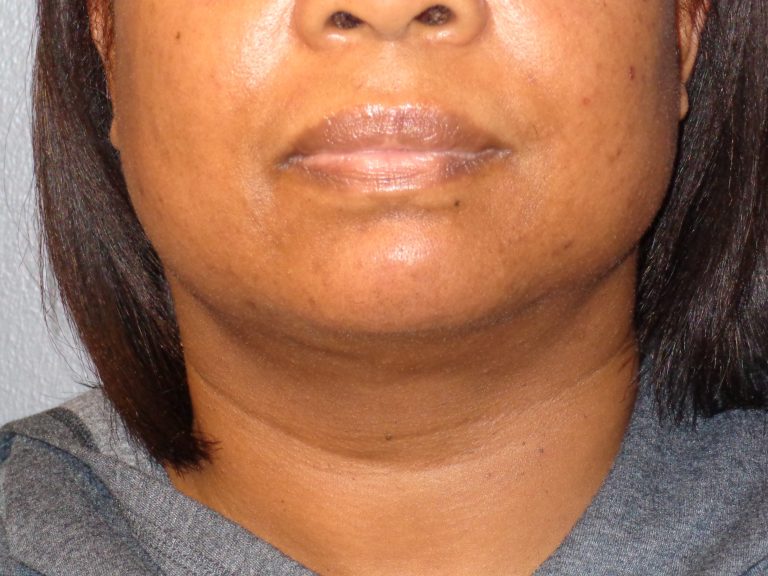
Body positivity and cosmetic surgery are often treated as if they belong on opposite sides of an argument. In real life, it is rarely that simple. Many people who explore liposuction are not trying to become someone else, erase every flaw, or chase an impossible standard. They are trying to feel more at ease in their own skin, solve a long-running frustration, or bring their appearance into closer alignment with how they already care for themselves.
That tension shows up often in consultations. A patient may say, "I work out, I eat well, and I still have this one area that never changes." Another may admit feeling conflicted, because she believes in self-acceptance but also wants help with a feature that has bothered her for years. Those two ideas can coexist. Accepting your body does not require pretending you love every detail of it. Wanting change does not automatically mean you lack confidence or self-respect.
That is especially important to remember when michellehardawaymd.com Liposuction Farmington HIlls discussing Liposuction Farmington Hills patients may be considering. In a community where people have access to strong medical practices, fitness resources, and a wide range of aesthetic options, the real question is not whether body positivity and liposuction can exist together. The better question is whether a person is making a thoughtful, informed decision for the right reasons, with realistic expectations and proper medical guidance.
Self-acceptance and self-improvement are not enemies
The loudest conversations about appearance tend to flatten everything into extremes. Either you should love every inch of yourself exactly as you are, or you should pursue every available treatment in the name of improvement. Most healthy decisions happen somewhere between those poles.
Body positivity, at its best, asks people to treat themselves with dignity. It pushes back against shame, constant self-surveillance, and the idea that a person’s worth rises or falls with a waistline. That is valuable. It can also create confusion when someone wants a cosmetic procedure. Patients sometimes worry that considering liposuction means they have failed some test of confidence. I do not think that is a helpful way to look at it.
There is a practical difference between self-hatred and self-editing. If a person is consumed by criticism, convinced surgery will fix their entire life, or trapped in a cycle of never-enough, that is a warning sign. If a person generally feels stable, understands their body, and wants to address a localized concern that has not responded to diet and exercise, that is a very different situation.
That distinction matters because liposuction is not a philosophy. It is a surgical tool. Like any tool, it can be used wisely or unwisely. The emotional framework around the decision often matters as much as the technical details of the procedure itself.
What liposuction actually does, and what it does not
One of the biggest sources of disappointment in cosmetic surgery is misunderstanding the procedure. Liposuction is designed to remove localized fat deposits and improve contour. It is not a general weight-loss method. It does not replace healthy habits. It does not prevent future weight gain. It also does not treat loose skin very well on its own, which is an issue patients often underestimate.
A good consultation usually includes a fairly plainspoken explanation. If someone has fullness under the chin, along the abdomen, in the flanks, outer thighs, upper arms, or beneath the bra line, liposuction may help refine those areas. If the main concern is skin laxity after pregnancy or significant weight loss, a different procedure, or a combination approach, may make more sense. If the issue is muscle separation in the abdomen, liposuction alone will not correct it.
Patients are often surprised by how modest, and how meaningful, the goal can be. Sometimes the change is not dramatic to outsiders. A pair of pants fits better at the waist. The lower abdomen no longer bulges over fitted clothing. The jawline looks cleaner in photos. Those sound like small things until you have spent years noticing them every day.
The best surgical planning is specific. "I want to look better" is too broad to be useful. "I want less fullness in my lower abdomen, and I understand my stretch marks and loose skin will still be there" is the kind of statement that shows someone is thinking clearly.
Where body positivity helps patients make better choices
There is a version of body positivity that can make someone a stronger surgical candidate, not a weaker one. When people have a more grounded relationship with their bodies, they tend to make better decisions. They are less likely to chase trends, compare themselves to filtered images, or demand a result that no anatomy can deliver.
A body-positive mindset can sound like this: "I respect my body, and I want to take care of it. I do not think I need surgery to be worthy, but I am considering this because one area has bothered me for a long time, and I want to address it responsibly." That perspective creates room for discernment.
It also improves recovery. Patients who approach surgery from a place of punishment often struggle afterward. They may fixate on swelling, bruising, asymmetry during the healing phase, or the gap between immediate expectations and gradual results. Patients who are more patient with themselves usually handle the process better. They understand that surgery is not magic and healing is not linear.
In other words, body positivity does not have to mean refusing all aesthetic intervention. It can mean refusing to let shame drive the decision.
The local reality of Liposuction Farmington Hills consultations
When people search for Liposuction Farmington Hills, they are not just looking for a procedure. They are looking for trust. They want a board-certified surgeon, a safe facility, a staff that communicates clearly, and guidance that feels honest rather than sales-driven. In suburban markets, where patients often hear recommendations from friends, coworkers, or family members, reputation carries real weight.
What patients need most during that search is not hype. They need nuance. A reputable practice should be comfortable telling someone they are not an ideal candidate, or that another treatment would serve them better. That may mean advising weight stabilization before surgery. It may mean explaining that skin quality limits the result. It may mean discussing whether the person’s goals are realistic in light of their anatomy.
The strongest practices tend to have a calm tone in consultation rooms. There is usually less pressure than people expect. Good surgeons ask not only where a patient wants improvement, but why now, how long the concern has been present, whether weight has been stable, what the patient thinks surgery can accomplish, and what support they have for recovery. Those details matter. They can reveal whether the person is prepared, emotionally and practically.
Farmington Hills patients, like patients anywhere, also benefit from local practicality. Recovery planning depends on everyday life. Do you have children to lift? A job that keeps you on your feet? A long commute? A social event in two weeks that you think you will be "back to normal" for, even though swelling may still be obvious? These are not small details. They shape whether surgery fits your life at this moment.
Motivation matters more than people admit
There is no such thing as a perfectly pure reason for cosmetic surgery. Human motivation is mixed. A person might want liposuction because she wants to feel more confident in clothing, because she is tired of one stubborn area, and because she knows a class reunion is coming up. That does not automatically make the choice shallow or unhealthy.
Still, it is worth pausing long enough to examine what is underneath the impulse. If the hoped-for result is really about easing a specific, persistent frustration, that can be reasonable. If the hoped-for result is that a partner will finally become affectionate, an ex will regret leaving, or every insecurity will vanish, the emotional stakes are too high.
A useful test is whether the desire feels steady. Many healthy candidates describe a concern that has remained fairly consistent over time. It is not a panic response to one bad photograph or one cruel comment. It is not driven by sudden pressure from social media or a major emotional upheaval. It is a considered choice that has persisted even when life is otherwise stable.
Another useful test is how a person talks about their body. Language often tells the truth before anything else does. Someone who says, "I hate everything about myself" needs care that may have little to do with surgery. Someone who says, "I am happy overall, but this area has never changed despite my efforts" is communicating something much more measured.
Realistic expectations are a form of self-respect
Patients sometimes hear "manage your expectations" as a warning or a scolding. It is neither. Realistic expectations are one of the healthiest parts of the process. They protect people from false promises, and they set the stage for actual satisfaction.
Liposuction can improve contour, but it will not create a brand-new body. It can make clothing fit differently, but it cannot guarantee a specific size. It can sharpen certain lines, but it cannot stop aging, fluid retention, hormonal changes, or future shifts in weight. These facts do not diminish the procedure. They simply define it.
In practice, satisfied patients usually focus on proportion rather than perfection. They may say they want their abdomen to match the rest of their frame a little better, or they want the fullness at the flanks reduced so dresses skim more smoothly. Those are attainable goals. Problems arise when someone expects mirror-level flawlessness, total symmetry, or a body that looks like it was generated on a screen rather than lived in.
This is where body positivity and realistic expectations overlap beautifully. If you already understand that your body is human, then a human result will feel acceptable. You are less likely to be derailed by normal healing irregularities or minor imperfections that remain after surgery.
The quiet emotional side of recovery
Recovery has an emotional rhythm that many patients do not anticipate. Physically, most know to expect soreness, swelling, compression garments, temporary activity limits, and gradual improvement over weeks to months. Emotionally, the road can be less straightforward.
The first few days can feel vulnerable. You may be tired, puffy, and uncomfortable. Around the second or third week, people often become impatient. They are moving better but still swollen, and the final result is not visible yet. Then, as the swelling starts to settle more noticeably, confidence usually rises.
This is one reason I encourage patients to avoid tying too much identity to the early result. Healing is messy. A person with a stable, compassionate view of their body tends to tolerate that uncertainty much better than someone who expects instant transformation.
Practical support helps too. If you are considering Liposuction Farmington Hills, think beyond the operating room. Who will drive you home? Who can help if you have small children? Can you build in recovery days without trying to prove toughness by returning to everything at once? Surgery is easier when people respect the recovery period rather than trying to outrun it.
Questions worth asking before you commit
A strong consultation is a two-way evaluation. The surgeon is assessing whether the procedure fits you, and you are assessing whether the practice deserves your trust. A few questions can clarify that quickly.
- Am I a good candidate for liposuction specifically, or would another procedure address my concern better?
- What result is realistic for my body, skin quality, and current weight?
- Where will incisions be placed, and what can I expect during recovery over the first few weeks?
- What are the most common risks and trade-offs in my case, including contour irregularities or the possibility of needing revision?
- How stable should my weight be before surgery, and what habits will help maintain the result afterward?
Those questions do more than gather facts. They reveal how a surgeon thinks. A careful, experienced answer usually has some restraint in it. That is a good sign.
When liposuction may not be the right move
Part of finding balance is knowing when not to proceed. Not every frustration should become a procedure. Some patients are better served by waiting, reevaluating goals, or addressing a deeper issue first.
A poor time for elective cosmetic surgery often includes periods of major instability, such as active grief, a fresh breakup, untreated anxiety or depression, or rapid weight fluctuation. None of those automatically disqualify someone, but they can cloud judgment. Surgery asks for physical recovery and emotional patience. It is best approached when life is reasonably steady.
There are also anatomical realities. If skin laxity is the primary issue, liposuction can sometimes make that laxity more obvious. If someone is far from their comfortable maintenance weight, the result may be less predictable and harder to maintain. If body image distress is severe, surgical improvement may never feel sufficient.
In practice, saying "not now" can be a sign of wisdom, not denial. Some of the best outcomes come from patients who took extra time to lose a modest amount of weight, stabilize their routine, or simply think through what they wanted.
Signs the decision is coming from a healthy place
No single sentence can prove a person is ready, but certain patterns are reassuring. They suggest the choice is rooted in care rather than panic.
- You can name a specific area you want to improve, rather than expressing global hatred of your body.
- Your expectations are concrete and modest, focused on contour improvement rather than total transformation.
- Your weight and lifestyle have been relatively stable for a meaningful period of time.
- You would still want the procedure even if nobody else knew you had it.
- You understand that surgery may help your confidence, but it is not a cure for loneliness, relationship problems, or self-worth.
That last point matters most. Cosmetic surgery can support confidence. It cannot build an entire identity from scratch.
A balanced way to talk about confidence
Confidence is often described as if it should come only from within. That is a noble idea, but it is not fully honest. Human beings are embodied. The way we feel physically can affect how we move through the world. Anyone who has finally resolved a long-standing dental issue, found treatment for severe acne, or addressed a feature they had hidden for years knows this. Relief has a psychological dimension.
At the same time, confidence built only on appearance is fragile. If it depends on perfect photos, flawless contour, or constant praise, it breaks easily. The healthiest confidence has multiple supports. It may include satisfaction with your appearance, but it also rests on competence, relationships, humor, resilience, and a sense of self that can survive a bad hair day, an extra ten pounds, or the slow changes of aging.
That is why the best relationship between liposuction and body positivity is not either-or. It is layered. You can appreciate your body for what it does, accept that perfection is not the goal, and still decide to refine one aspect of it. You can pursue a procedure and reject the culture of endless dissatisfaction that often surrounds aesthetic medicine. You can want to look better without believing that your value depends on it.
For many people exploring Liposuction Farmington Hills, that is the right balance. Not self-rejection. Not blind acceptance that silences every preference. Just a thoughtful middle ground, where personal agency, medical judgment, and self-respect all have a seat at the table.
If that is the place from which a decision is made, the conversation around liposuction becomes much healthier. It stops being a referendum on whether someone "really loves themselves" and becomes what it should have been all along, a careful choice about whether one specific treatment fits one specific person at one specific time. That is a far more honest, and far more useful, way to think about it.
Aesthetic Plastic Surgery & Laser Center, Michelle Hardaway M.D.
27920 Orchard Lake Rd
Farmington Hills, MI 48334
(248) 221-1957
FAQ About Liposuction Farmington Hills
What disqualifies you from getting liposuction in Farmington Hills?
A surgeon may recommend postponing or avoiding liposuction if a health condition, medication, or nicotine use raises the risk of surgery or poor healing. A consultation is needed to assess your medical history and whether the procedure fits your goals.
Can liposuction remove 20 pounds?
Liposuction is a body contouring procedure for localized fat. It is not a weight loss treatment, and a specific number of pounds is not a safe or useful target. The surgeon determines how much can be removed safely for each patient.
What are the risks of liposuction?
Risks include infection, changes in sensation, uneven contours, and complications from anesthesia or blood clots. A plastic surgeon can explain which risks apply to you and what to expect during recovery.