Liposuction Farmington Hills: Common Myths and Facts Explained
Liposuction is one of the most recognized cosmetic procedures in the country, and still one of the most misunderstood. People hear a story from a friend, see a dramatic before and after online, or read a headline that strips away all the nuance. What remains is often a distorted picture, equal parts hope and misinformation.
That matters because liposuction is neither a miracle shortcut nor a reckless vanity procedure. In experienced hands, for the right patient, it can be a precise body contouring tool that solves a very specific problem: pockets of fat that do not respond well to diet and exercise. In the wrong context, or with the wrong expectations, it can disappoint.
For patients researching Liposuction Farmington Hills options, the real work starts before the procedure itself. It starts with separating myths from facts, understanding candidacy, and knowing what the operation can and cannot do.
Why liposuction gets misunderstood so easily
Part of the confusion comes from the way people talk about body changes. Weight loss, skin quality, muscle tone, hormones, age, childbirth, and genetics all influence shape. Liposuction affects one part of that equation, not the whole picture. Yet many people speak about it as if it should fix everything from obesity to cellulite to loose skin.
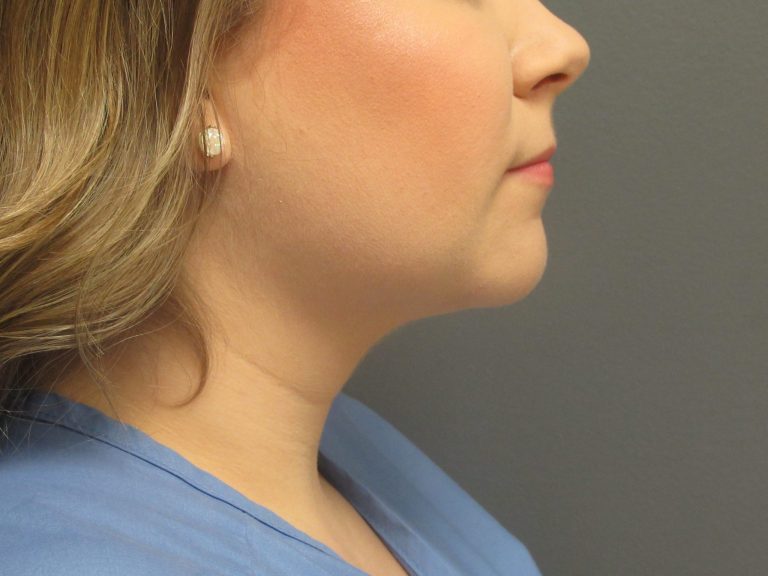
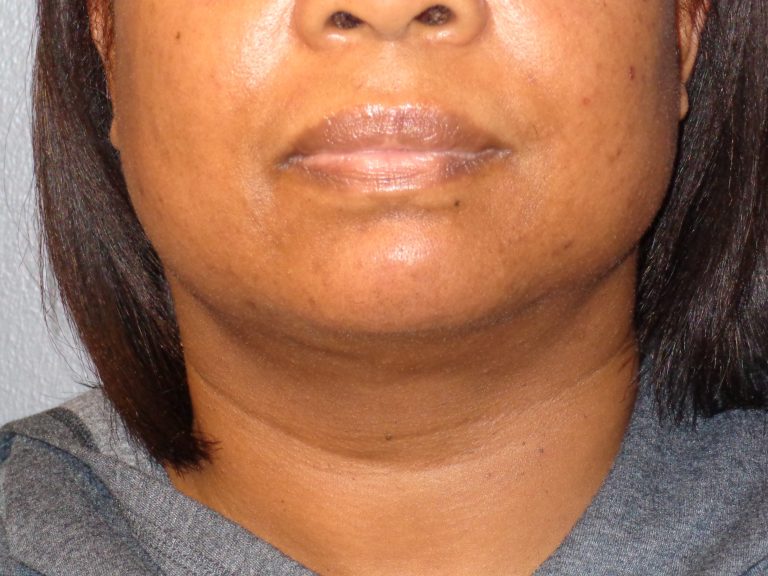
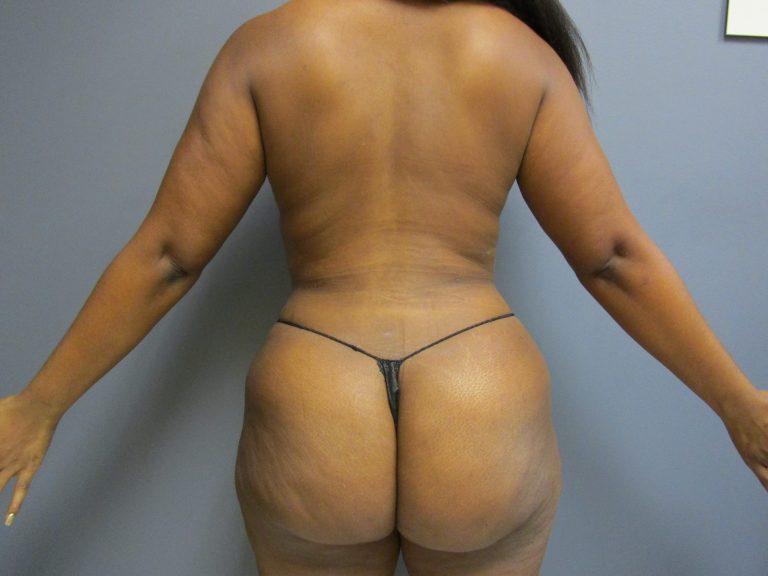
Marketing can add to the confusion. Before and after photos are helpful, but they rarely show the full story. They do not show swelling at week two, compression garments, the patience required during healing, or the discipline needed to maintain results over time. Nor do they reveal whether the patient started at a stable weight, had good skin elasticity, or combined surgery with other procedures.
The result is a lot of unrealistic expectations. Those expectations often sound like myths.
Myth: Liposuction is a weight loss procedure
This is the most persistent misconception, and it leads many people in the wrong direction.
Liposuction is designed for contouring, not major weight reduction. It removes localized fat deposits to improve proportions in areas such as the abdomen, flanks, thighs, upper arms, back, under the chin, or male chest. A patient may lose a few pounds from the removed fat, but the visible benefit usually comes from shape, not the number on the scale.
A practical example makes this easier to understand. Consider two people who weigh the same and wear the same size. One carries stubborn fullness at the lower abdomen and love handles despite regular exercise. The other has more generalized weight gain across the body. The first person may be an excellent liposuction candidate. The second person may need a broader weight management plan before surgery would make sense.
Surgeons routinely explain this during consultations because the emotional stakes are Liposuction Farmington HIlls Aesthetic Plastic Surgery & Laser Center high. If someone comes in expecting to lose 30 or 40 pounds through liposuction, that expectation has to be corrected early. A thoughtful surgeon will say no, or at least not yet, rather than forcing a procedure that will not deliver the result the patient is imagining.
Fact: Liposuction can create meaningful contour changes
Although it is not a weight loss procedure, liposuction can make a substantial difference in silhouette. This is especially true in patients with proportion issues caused by resistant fat. The mirror often reflects that change more clearly than the scale.
This is why clothing fit is such a common benchmark. Patients may tell you their waistline looks cleaner, their pants stop pulling at the outer thighs, or the roll over the bra line has softened enough that fitted tops sit better. Those are not trivial changes. They can affect confidence every day.
The best results tend to look harmonious rather than dramatic in an artificial way. A skilled surgeon removes enough fat to refine the area while preserving smooth contours. Overaggressive liposuction can leave dents, waviness, or a skeletonized look that ages the body instead of improving it. Precision matters more than volume.
Myth: Liposuction treats obesity
It does not, and reputable practices are careful about that distinction.
Obesity is a complex medical condition. It involves metabolism, behavior, genetics, hormones, and overall health. Liposuction does not address those drivers. It also has safety limits. There is only so much fat that can be removed in one setting before the risk profile changes. Those limits vary based on the patient, the setting, the surgeon’s judgment, and whether other procedures are being performed.
Patients with a higher body mass index can still sometimes be candidates for liposuction, but the discussion becomes more individualized. The key question is whether the issue is localized contour or overall weight. If the underlying problem is generalized obesity, surgery is not the first answer.
That is one reason honest consultations are so important when exploring Liposuction Farmington Hills providers. Good decision making starts with a clear diagnosis of the problem being treated.
Myth: Liposuction is an easy alternative to diet and exercise
This idea sounds flattering to people who are tired of trying, but it misses the reality of both fitness and surgery.
Liposuction does not replace healthy habits. It also does not exempt a patient from recovery. Bruising, swelling, tenderness, restricted activity, and compression garments are part of the process. Depending on the treatment area and extent of the procedure, many patients need several days to a couple of weeks before they feel comfortably presentable and reasonably mobile. Residual swelling can linger for months, even when things are healing normally.
There is another point that often gets lost. Patients who do best long term are usually already engaged in reasonable health habits. They may not be perfect, but they are stable. They understand hydration, protein intake, movement, sleep, and weight maintenance. Surgery can refine the results of those efforts. It does not substitute for them.
Fact: Stubborn fat is real, and genetics often drives it
Anyone who has spent time around body contouring consultations sees this pattern over and over. Some people are lean everywhere except one or two areas. A man may be fit but carry persistent fullness in the lower abdomen and flanks. A woman may maintain a healthy weight yet struggle with outer thigh or lower belly fullness that simply does not respond in the same way the rest of her body does.
This is where liposuction often shines. It addresses disproportion, not personal failure.
That distinction matters psychologically. Many patients have spent years assuming they were not working hard enough, when in fact they were dealing with a genetically favored fat distribution. A realistic consultation can be genuinely relieving because it reframes the issue. The body is not broken. It is simply patterned.
Myth: Fat comes back somewhere else after liposuction
This myth contains a sliver of truth wrapped in a misleading conclusion.
When fat cells are removed from a treated area, those cells are gone. The body does not regenerate a whole new set of fat cells in that exact pattern. However, the remaining fat cells throughout the body can still enlarge if a person gains significant weight after surgery. That means shape changes are still possible.
Patients sometimes interpret this to mean the fat will “move” to the arms or back or face. That is not how the procedure works. Weight gain after liposuction may distribute according to the patient’s natural tendencies, but liposuction itself does not redirect fat like plumbing.
A more accurate way to say it is this: results are long lasting when body weight remains relatively stable. If weight fluctuates dramatically, the result can blur. That is true of many cosmetic procedures.
Myth: Liposuction tightens loose skin
Sometimes it helps a little, often it does not help enough, and occasionally it can reveal looseness more clearly than before.
This is one of the biggest judgment calls in body contouring. If a patient has good skin elasticity, the skin may retract reasonably well after fat removal. Younger patients often have an advantage here, but age is only one factor. Pregnancy, sun exposure, weight loss history, smoking, and genetics all influence skin behavior.
If the skin is already stretched, thin, crepey, or significantly lax, liposuction alone may not produce the look the patient wants. In those cases, skin excision procedures such as a tummy tuck, arm lift, or thigh lift may be more appropriate, either alone or in combination with liposuction.
This is where experience matters. A cautious surgeon does not just ask, “Can I remove the fat?” The better question is, “What will the skin do afterward?” That question often separates strong outcomes from disappointing ones.
Signs that liposuction alone may or may not be a fit
- Good candidates usually have localized fat deposits, fairly stable weight, and skin with at least moderate elasticity.
- Patients with significant loose skin, abdominal muscle separation, or large weight swings often need a different plan.
- Prior surgeries, scar tissue, and certain medical conditions can change what is advisable.
- Smoking and nicotine use can complicate healing and may delay or prevent surgery.
- The best candidates want improvement, not anatomical perfection.
Fact: Recovery is usually manageable, but it is not trivial
Many patients are surprised by the recovery, not because it is unbearable, but because it requires patience. Soreness can feel similar to a deep bruise or the aftermath of an intense workout, but more persistent. Swelling is expected. The treated areas may feel firm, numb, lumpy, or uneven during early healing. That can be emotionally unsettling if a patient has not been prepared for it.
The first few days are often the most uncomfortable. After that, most people improve steadily. Return to desk work may happen within a few days for smaller treatments, though more extensive procedures can require longer. Exercise usually resumes gradually, based on the surgeon’s instructions.
Compression garments are often part of the process. Patients do not always love them, but they can help support the tissues and manage swelling. Some practices also recommend lymphatic massage in select cases, though protocols vary.
The larger lesson is simple: the result unfolds. It does not appear overnight. If someone expects a flat stomach in forty eight hours, they are setting themselves up for anxiety.
Myth: Liposuction is unsafe
No surgical procedure is risk free, and pretending otherwise is irresponsible. That said, liposuction can be very safe when patient selection is careful, the surgical setting is appropriate, and the procedure is performed by a qualified surgeon.
Risk depends on several factors. These include the amount of fat removed, the number of areas treated, whether other procedures are combined, the patient’s underlying health, and the credentials of the operating team. Complications can include contour irregularities, fluid shifts, infection, bleeding, numbness, asymmetry, and anesthesia related issues. Rare but serious complications are possible.
What experienced surgeons tend to emphasize is not fear, but systems. Proper preoperative evaluation, clear medication instructions, smoking cessation, realistic operative plans, and close postoperative follow up all reduce avoidable risk. The safest procedure is often the one that does a little less, not the one that tries to do everything in one day.
Fact: Technique matters, but judgment matters more
Patients often focus on the brand names or buzzwords around liposuction. They ask whether a practice uses laser assisted, ultrasound assisted, power assisted, awake liposuction, or another variation. Those distinctions can matter, but they are not the whole story.
An elegant outcome depends first on assessment and execution. Where is the fat actually located? How thick is it? How will the skin respond? How aggressive should treatment be in each zone? Are there areas that should be left alone? Can the desired change be achieved safely in one session?
A mediocre plan with a fashionable device is still a mediocre plan. A thoughtful surgeon using a familiar, well suited technique often delivers a better result than someone chasing trends.
For patients researching Liposuction Farmington Hills, the better use of consultation time is not just asking what technology is used. Ask how the surgeon thinks. The answer usually tells you more.
Questions worth asking at a consultation
- Am I a good candidate for liposuction alone, or do I need skin tightening or excision?
- What result is realistic for my anatomy, not an idealized photo?
- How much downtime should I actually plan for based on my case?
- What are the most common trade offs or limitations you see in patients like me?
- If you would advise against surgery right now, why?
Myth: Liposuction results should look perfect right away
This expectation is fueled by edited images and impatience.
Early after surgery, the body is inflamed. Swelling can obscure the contour and even make someone feel larger before they feel smaller. Some areas settle quickly. Others take much longer. The lower abdomen, flanks, inner thighs, and areas with denser fibrous tissue can be especially slow.
There can also be asymmetries during healing that are not true final asymmetries. One side may swell more. One area may soften sooner. Scar tissue can create temporary firmness that feels alarming but resolves with time.
Patients who handle recovery best usually understand two things. First, healing is not linear. Second, final results often reveal themselves gradually over several months. This is normal, not a sign that something has gone wrong.
Myth: Liposuction gets rid of cellulite
Usually, no.
Cellulite involves fibrous bands, skin texture, fat distribution, and structural changes beneath the skin. Standard liposuction is not designed to treat that problem, and in some patients it can make dimpling more noticeable if the skin quality is poor.
This is one of those areas where honest counseling protects patients from disappointment. Someone may improve overall contour and still have cellulite. Both things can be true at once.
A surgeon who speaks plainly about that tends to be more trustworthy than one who promises broad “skin smoothing” without clarifying what liposuction can realistically accomplish.
The local perspective patients often overlook
When people search for Liposuction Farmington Hills, they are often comparing practices based on websites, galleries, and convenience. Those things matter, but local context matters too.
Recovery logistics are easier when follow up is accessible. If you have questions about swelling, garment fit, incision care, or an area that feels unusually firm, being able to reach your surgical team without long travel can reduce stress. Cosmetic surgery is not only about the operating room. It is also about the days and weeks that follow.
Patients in suburban communities often balance surgery with work, school schedules, caregiving, and social visibility. That makes planning important. Someone with a physically demanding job may need more downtime than someone who works remotely. A parent of young children may need help lifting, driving, or managing routines during the first phase of recovery. These practical details are not glamorous, but they often shape the overall experience more than people expect.
What realistic expectations actually sound like
A healthy expectation is not “I will look like a different person.” It is closer to, “I want my shape to reflect the effort I already put into my health.” Or, “I want this one area to stop distracting from the rest of my body.” That mindset tends to align well with what liposuction does best.
It also helps to think in percentages rather than absolutes. Improvement is realistic. Total perfection is not. Bodies have natural asymmetries. Skin behaves differently from person to person. Healing introduces variables. Even strong results have limits.
The patients who are happiest are often the ones who see liposuction as refinement rather than rescue.
Choosing a surgeon without getting distracted by marketing
The cosmetic surgery marketplace can be noisy. Every practice describes care as personalized and results as natural. That language is so common it stops being useful. What helps more is looking for specificity and consistency.
Notice whether the consultation feels candid or Liposuction Farmington HIlls sales driven. Pay attention to whether risks and limitations are discussed as carefully as benefits. Ask how often the surgeon performs the procedure you are considering, and how they decide who is not a good candidate. Review photos with a critical eye, especially patients who resemble your body type and skin quality rather than the most dramatic transformations.
It is also reasonable to ask who will be involved on the day of surgery, what the recovery pathway looks like, and how concerns are handled after hours. Technical skill matters enormously, but so does the structure around it.
Patients seeking Liposuction Farmington Hills care are often best served by slowing down. A polished online presence is not the same as sound surgical judgment.
The bottom line on myths and facts
Liposuction remains popular because, used appropriately, it works. It can reshape areas that have resisted sensible effort for years. It can improve proportion, fit, and confidence in a way that feels tangible every day. But it is not a substitute for weight loss, not a fix for loose skin, not a cellulite treatment, and not an instant transformation.
Most of the frustration around liposuction comes from asking it to do jobs it was never meant to do. Most of the satisfaction comes from matching the procedure to the right anatomy, the right expectations, and the right surgeon.
If you are researching Liposuction Farmington Hills, the smartest next step is not chasing the boldest promise. It is finding a surgeon who can explain, with precision and honesty, what liposuction can accomplish for your body and what it cannot. That is where good outcomes begin.
Aesthetic Plastic Surgery & Laser Center, Michelle Hardaway M.D.
27920 Orchard Lake Rd
Farmington Hills, MI 48334
(248) 221-1957
FAQ About Liposuction Farmington Hills
What disqualifies you from getting liposuction in Farmington Hills?
A surgeon may recommend postponing or avoiding liposuction if a health condition, medication, or nicotine use raises the risk of surgery or poor healing. A consultation is needed to assess your medical history and whether the procedure fits your goals.
Can liposuction remove 20 pounds?
Liposuction is a body contouring procedure for localized fat. It is not a weight loss treatment, and a specific number of pounds is not a safe or useful target. The surgeon determines how much can be removed safely for each patient.
What are the risks of liposuction?
Risks include infection, changes in sensation, uneven contours, and complications from anesthesia or blood clots. A plastic surgeon can explain which risks apply to you and what to expect during recovery.