Liposuction Farmington Hills: Recovery Essentials to Have at Home
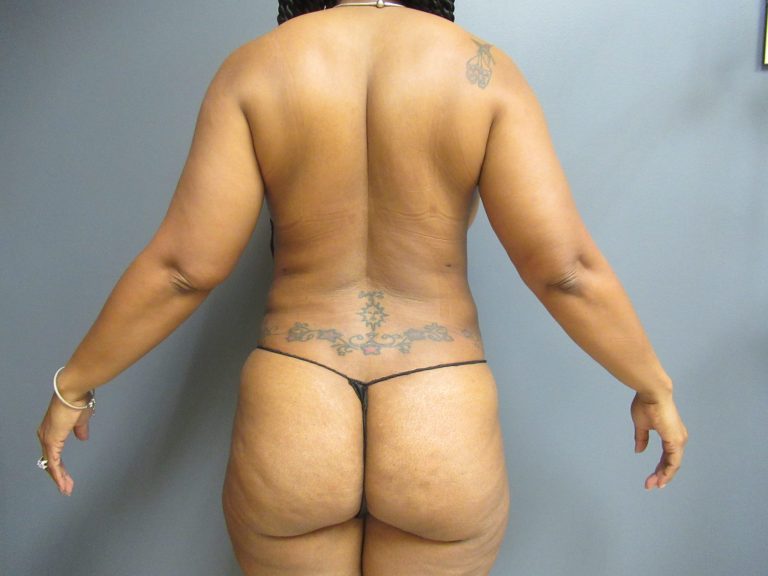
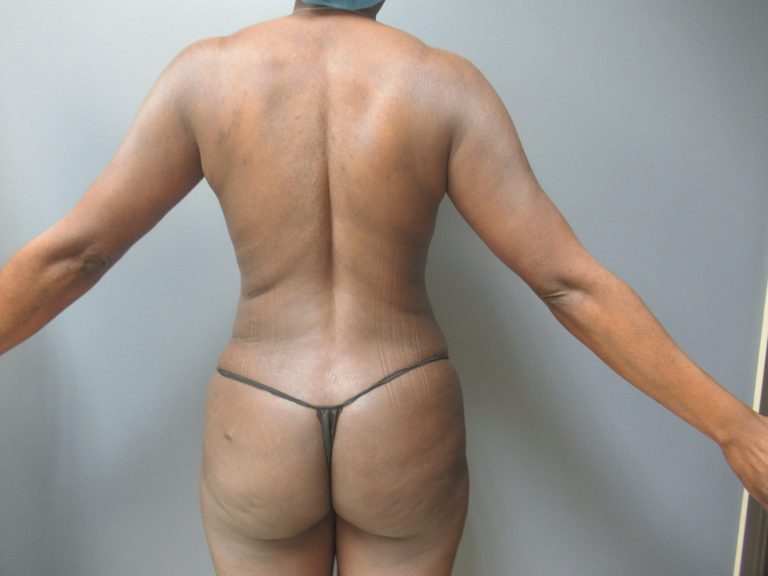
Liposuction recovery is rarely difficult in the dramatic way people fear, but it is often more hands-on than people expect. The procedure itself may be focused on contouring, yet the days that follow are about swelling, drainage, mobility, compression, hydration, and patience. When patients prepare their homes well, the early recovery period tends to feel calmer and far more manageable. When they do not, small inconveniences stack up quickly. Reaching for a water bottle hurts. Laundry becomes a problem because compression garments need washing. Standing in the kitchen long enough to prepare food feels like too much on day two.
That is why home setup matters. Whether someone is planning Liposuction Farmington Hills as a single-area treatment or a more extensive body contouring procedure, recovery usually goes more smoothly when the environment supports healing from the start. The goal is not to turn the house into a medical suite. It is to remove friction. Every item you gather ahead of time should solve a real problem you are likely to face in the first one to two weeks.
What recovery usually feels like
Most liposuction patients describe soreness more than sharp pain. It often feels like an intense workout combined with bruising and pressure. There may be swelling, firmness, numb spots, tenderness, and fluid drainage through incision sites during the first several days, especially when tumescent technique is used. Mobility is possible, and walking is encouraged, but bending, twisting, lifting, and transitioning from sitting to standing can be awkward.
This is where expectations matter. If a patient imagines they will be fully independent and comfortable within twenty-four hours, they are more likely to underprepare. If they expect to move slowly, need help with basics, and spend a few days focused on rest, they usually handle the process better. Recovery is not only physical. It is logistical.
For example, I have seen patients do beautifully simply because they set up one recovery zone in advance, near a bathroom, with medications, chargers, extra pillows, a blanket, bottled water, and easy food within arm’s reach. I have also seen patients who had a technically smooth procedure struggle at home because their compression garment was hard to manage, they had no spare pads for drainage, and their pain medicine had not been picked up from the pharmacy.
The first principle: make movement easy
After liposuction, gentle movement is important. Short walks around the house can help circulation and reduce stiffness. At the same time, your body will not appreciate unnecessary trips up and down stairs, deep crouching to search for items, or repeated reaching overhead.
Before surgery, it helps to think through your day in physical terms. Where will you sleep? How far is the bathroom? Will you need to step into a high tub? Is your favorite chair so soft that standing up from it will be difficult? If treatment includes the abdomen, flanks, thighs, or multiple areas, even simple transitions can feel surprisingly demanding.
A supportive chair with arms is often more useful than a low couch. A bedside table matters more than people realize. So does placing everyday items at waist to chest level for a few days. If you have pets, think ahead about feeding, walking, or lifting them. If you have small children, arrange help. Many patients plan for downtime but forget to plan for responsibilities that require bending, carrying, or sudden movement.
The recovery space that works best
The best recovery setup is simple and practical. You want a place where you can rest without feeling trapped, but also without needing to stand up every ten minutes. A bedroom works for many people. Others prefer a recliner for the first couple of nights, especially if they are more comfortable sleeping slightly elevated. That can be helpful if getting flat and then rising again feels tight or sore.
Keep lighting soft but adequate. You do not want to stumble half-awake to the bathroom. Place a small trash bin nearby because dressings, pads, and water bottles accumulate quickly. Have your phone charger in place. Put clean towels where you can reach them. If your surgeon has recommended absorbent pads for drainage, set them out before you leave for surgery day. Doing this while you are already sore and tired is exactly the kind of avoidable annoyance that makes patients miserable.
Temperature matters too. Some patients feel chilled after surgery or while resting at home. A light blanket within reach is useful, but avoid overheating, especially under compression garments. Breathable fabrics and a room that is comfortably cool tend to work best.
The items worth having before surgery
Some recovery supplies are universally helpful. Others depend on how many areas are treated and your surgeon’s specific instructions. The key is not to buy every product marketed for cosmetic surgery recovery. It is to have the basics that consistently solve common problems.
- Compression garments and at least one backup if your surgeon recommends it
- Absorbent pads, old towels, or disposable underpads for expected drainage
- Prescribed medications, plus approved over-the-counter items cleared by your surgeon
- Easy hydration and simple foods that require little preparation
- Loose clothing that opens easily and does not rub treated areas
Compression deserves special attention because patients often underestimate how central it is to the recovery experience. A well-fitted garment supports swelling control and comfort. A poorly fitted one creates frustration all day long. If you are told to wear compression, Liposuction Farmington HIlls ask detailed questions before surgery. How tight should it feel? How many hours a day? When can it come off for showering? Should you buy a second one? This is not a minor issue. If the first garment becomes soiled from drainage, having no backup can turn into a genuine problem by Liposuction Farmington HIlls the second day.
Loose clothing is another understated essential. Button-front or zip-front tops are easier than tight pullovers. Soft, roomy pants can be far more comfortable than leggings or fitted athletic wear, particularly after abdominal or thigh treatment. Slip-on shoes help if bending is uncomfortable.
Food and hydration are part of recovery, not an afterthought
A lot of patients prepare beautifully for dressings and compression but overlook meals. Then they come home tired, possibly nauseated, with a refrigerator full of ingredients that require chopping, standing, and effort. That is not ideal.
Aim for bland, easy foods for the first day or two, then transition to simple protein-rich meals and snacks. Soup, yogurt, eggs, oatmeal, cottage cheese, smoothies, cooked vegetables, rice, grilled chicken, and fruit are all common choices because they are gentle and practical. If prescribed pain medication tends to upset your stomach, a few mild foods within easy reach can make a major difference.
Hydration matters just as much. Many people do better with several bottles or a large water container already placed in their recovery area. If plain water is difficult to tolerate right away, electrolyte drinks can be useful, but check labels and use judgment if you are trying to avoid excess sugar. The point is consistent intake, not perfection.
Alcohol is generally a poor choice in the early recovery phase. It can worsen dehydration, interact badly with medications, and complicate healing. Heavy, salty takeout meals are also less appealing than they sound when swelling is already uncomfortable.
Managing drainage without panic
One of the most common surprises after liposuction is fluid drainage from small incision sites. It can look dramatic on the first day, especially to someone who was not fully prepared for it, but some drainage can be expected depending on technique and surgeon preference.
This is where practical supplies matter. Protect the bed and furniture. Keep extra pads ready. Wear clothing you do not mind getting stained. Choose dark sheets or layer old towels over bedding if you prefer. Think of the first twenty-four to forty-eight hours as a period where mess prevention is part of comfort.
Patients often feel relieved once they understand that drainage is not automatically a sign something is wrong. That said, they also need to know the difference between expected fluid seepage and something that deserves a call to the surgeon. The value of good postoperative instructions cannot be overstated here. Read them before surgery day, not after.
Pain control works better when it is planned
Pain after liposuction is usually manageable, but pain management should never be improvised in the middle of the night. Fill prescriptions in advance if possible. Ask whether you are allowed to use acetaminophen or other medications, and whether there are drugs or supplements you need to avoid. Do not assume common over-the-counter options are fine without clearance, especially if your surgeon has specific bleeding precautions.
A small notebook or phone note can help track what you took and when, particularly if a family member is helping. Grogginess plus soreness is not the time to rely on memory. This sounds basic, but it prevents dosing mistakes.
It is also worth saying that not every uncomfortable sensation means a medication problem. Swelling, firmness, tightness, tingling, and uneven bruising can all be part of normal healing. The right response may be time, movement, hydration, and proper garment use, not necessarily stronger pain medicine.
The underrated value of bathroom planning
No one talks enough about bathrooms when discussing surgical recovery. Yet after liposuction, the bathroom can become the room that tests whether your home setup makes sense.
If stepping over a bathtub wall feels precarious, consider whether a handhold or non-slip mat would help. If your compression garment has hooks, zippers, or a crotch opening, practice managing it before surgery if possible. This is especially important for patients who will be getting dressed and undressed without assistance. Something that seems straightforward at the fitting can feel far less simple when you are swollen and moving slowly.
Keep toilet paper, wipes approved by your surgeon if relevant, sanitary pads if needed, and clean towels stocked ahead of time. If you are instructed to shower after a certain point, have everything ready so that the first shower feels manageable rather than overwhelming.
Sleep, rest, and the myth of perfect stillness
Patients often ask about the best sleeping position as if there is one universally correct answer. In reality, this depends on treatment areas and surgeon preference. Some patients are most comfortable slightly elevated. Others need support under the knees or behind the back to reduce pulling. The useful item is usually not a specialty recovery pillow marketed online at triple the price. It is often just a few ordinary pillows arranged well.
Rest is essential, but complete immobility is not the goal. Gentle walking around the house usually helps. The first few days are a balance between protecting your energy and keeping your body from becoming stiff and stagnant. Most people can feel the difference between healthy movement and overdoing it. If an activity increases throbbing, swelling, or exhaustion, that is useful information.
Help at home is not a luxury
Some patients can recover largely independently after small-volume liposuction. Others absolutely benefit from having another adult present, at least for the first day or two. The need rises if multiple areas are treated, if the patient is sensitive to anesthesia, if stairs are involved, or if responsibilities at home are substantial.
The ideal helper is not someone who simply checks in by text. It is someone who can pick up prescriptions, bring food, help with laundry, refill water, and keep an eye on how you are doing. Even a few hours of reliable support can change the tone of early recovery.
One practical example: patients who live alone often do fine if they prepare extensively, but they should still consider who can respond if they feel dizzy, need supplies, or have a question after hours. Independence is good. Backup is better.
What to watch carefully during the first week
Most recovery concerns turn out to be normal swelling or uncertainty about instructions. Still, there are situations where waiting is the wrong move. Know ahead of time which symptoms require prompt contact with your surgical team.
- Fever, worsening redness, or drainage that looks infected
- Severe pain that is new, escalating, or not controlled as expected
- Shortness of breath, chest pain, or significant calf pain or swelling
- Persistent vomiting, dehydration, or inability to keep medications down
- Any sudden asymmetry or swelling that seems dramatic or rapidly changing
Patients sometimes hesitate to call because they do not want to seem anxious. That is a mistake. Good surgical teams would much rather answer a reasonable question early than manage a more serious issue later.
Compression, swelling, and the long game
Swelling after liposuction can be stubborn. This is one of the biggest disconnects between patient expectations and reality. The first improvement often comes from reduced bulk and contour change, but refinement continues over weeks and months. Some areas soften quickly. Others stay firm, numb, or puffy longer than expected. This does not automatically mean something is wrong.
At home, the essentials are consistency and restraint. Wear the garment as directed. Stay reasonably active. Eat in a way that supports recovery. Avoid the temptation to interpret daily fluctuations too dramatically. One salty meal, a long day upright, or an uncomfortable garment fold can make swelling feel worse temporarily.
This phase tests patience more than endurance. Patients who do well are often the ones who accept that healing is a process with uneven pacing. The body does not reveal final contours on a neat timeline.
Shopping mistakes that are easy to avoid
A common pattern is overbuying niche recovery gadgets and underpreparing the boring basics. Fancy wedge systems, expensive scar products purchased too early, and random supplements often crowd the cart, while staples like extra gauze, mild food, and backup compression get ignored.
Another mistake is buying clothing that looks practical but is not. Anything too tight, too complicated, or too precious to stain is the wrong choice for early recovery. The same goes for furniture plans. A white couch is a risky place to spend the first drainage-heavy night.
Patients also tend to underestimate laundry. If your garment needs washing and you have only one, what is the plan? If your sheets get stained, do you have backups? The most successful recovery setups tend to look unglamorous but sensible.
If you are recovering after Liposuction Farmington Hills, ask local, practical questions
Every surgeon has a postoperative routine, and it is worth understanding yours in detail. If you are planning Liposuction Farmington Hills, ask not just about the procedure itself but about the home realities afterward. How much drainage is typical in their practice? Which compression garments do they prefer? When do they want patients walking? When are showers allowed? What signs lead them to want a phone call the same day?
Those questions usually produce more useful preparation than broad internet searches. Recovery advice online often mixes recommendations from different techniques, different surgeons, and very different patient situations. Local, procedure-specific instructions are more reliable than generic checklists copied from one site to another.
A home setup that supports healing
The best home recovery plan is not elaborate. It is intentional. Comfortable seating, easy hydration, ready meals, clean linens, accessible medications, reliable compression, and realistic support do more for most liposuction patients than any trendy purchase. When those pieces are in place, the first several days tend to feel less chaotic, and patients can focus on healing instead of scrambling.
There is a quiet confidence that comes from being prepared. Not because recovery is effortless, but because the predictable difficulties have already been solved. You know where you will rest. You know what you will wear. You know what you will eat, how you will manage drainage, when to walk, and who to call if something feels off. That kind of preparation turns recovery from a guessing game into a structured, manageable phase of the process.
For anyone planning liposuction, that is the real essential to have at home. Not just supplies, but a setup built around how healing actually unfolds.
Aesthetic Plastic Surgery & Laser Center, Michelle Hardaway M.D.
27920 Orchard Lake Rd
Farmington Hills, MI 48334
(248) 221-1957
FAQ About Liposuction Farmington Hills
What disqualifies you from getting liposuction in Farmington Hills?
A surgeon may recommend postponing or avoiding liposuction if a health condition, medication, or nicotine use raises the risk of surgery or poor healing. A consultation is needed to assess your medical history and whether the procedure fits your goals.
Can liposuction remove 20 pounds?
Liposuction is a body contouring procedure for localized fat. It is not a weight loss treatment, and a specific number of pounds is not a safe or useful target. The surgeon determines how much can be removed safely for each patient.
What are the risks of liposuction?
Risks include infection, changes in sensation, uneven contours, and complications from anesthesia or blood clots. A plastic surgeon can explain which risks apply to you and what to expect during recovery.