Liposuction Michigan for Women Seeking Confident Results
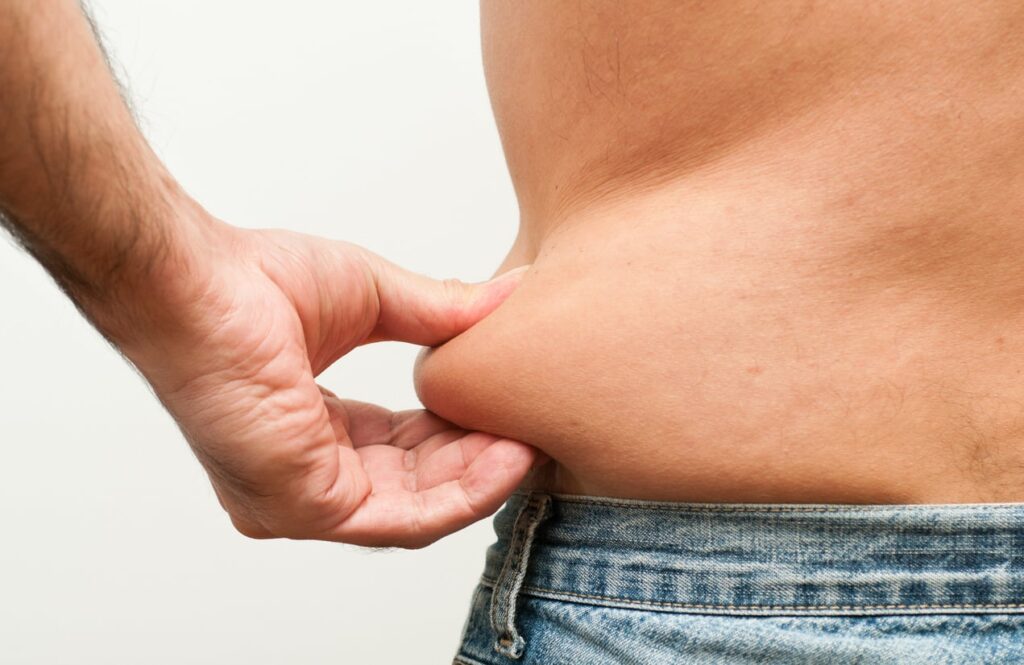
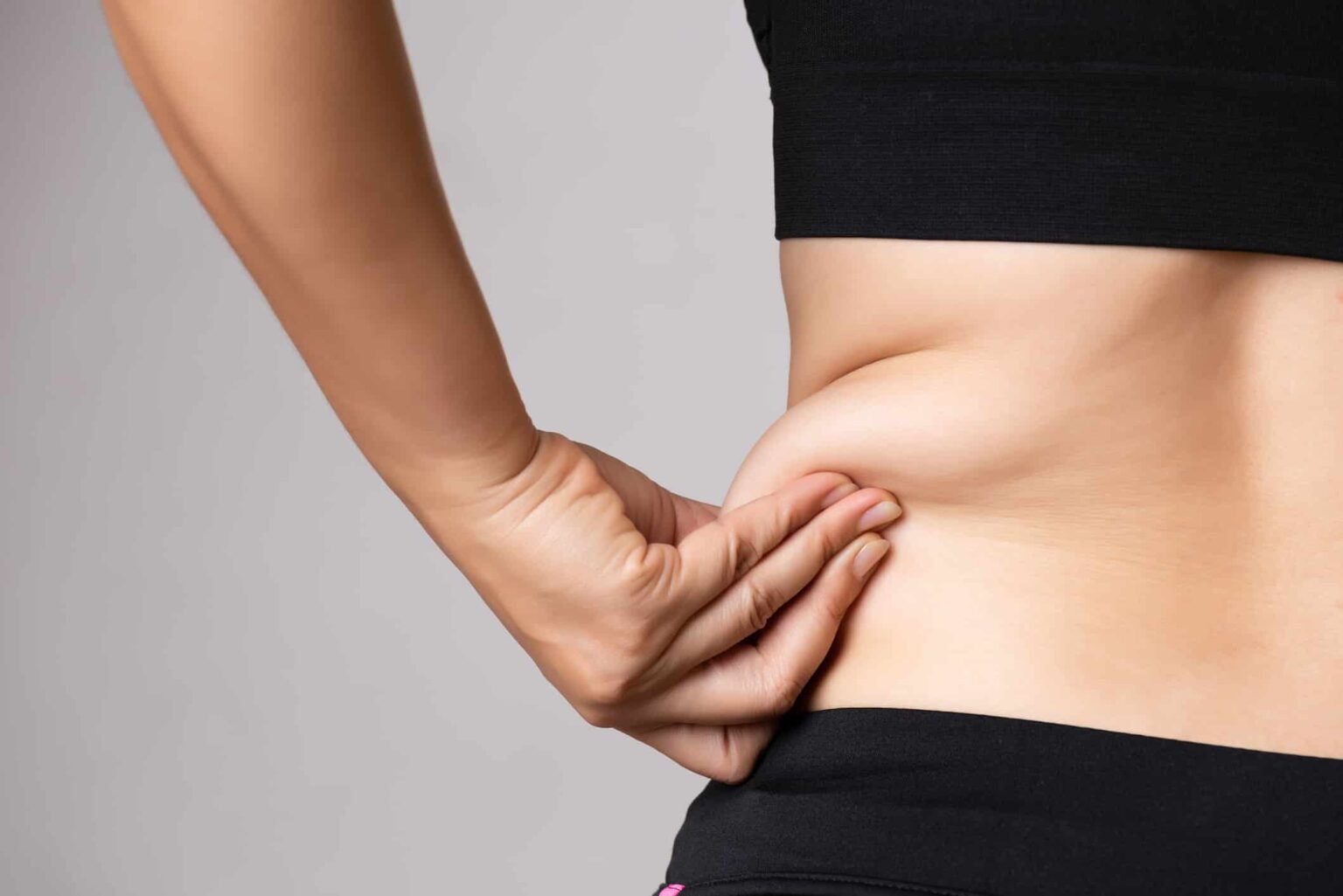
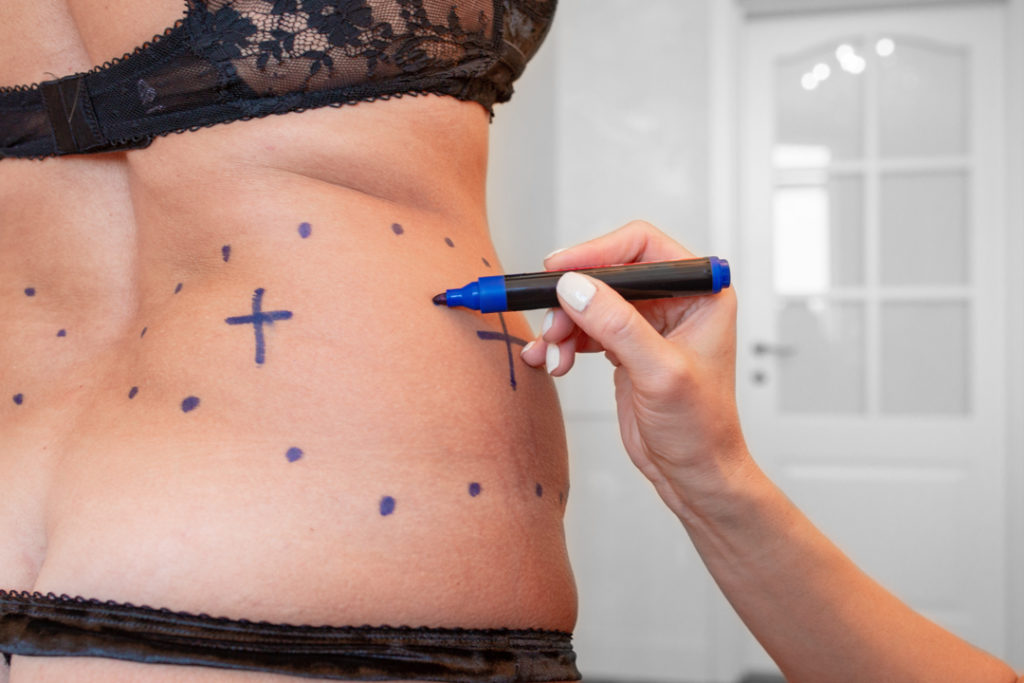
For many women, the decision to explore body contouring does not begin with vanity. It begins with frustration. It often follows years of disciplined exercise, thoughtful eating, and steady weight management, only to find that certain areas simply do not respond the way the rest of the body does. The lower abdomen may hold on after pregnancy. The flanks may remain full despite a stable weight. The outer thighs can keep their shape no matter how many miles are walked in a Michigan winter or how many strength classes are taken each week.
That is usually the real starting point for a conversation about liposuction. Not a search for perfection, but a search for proportion, fit, and relief. Women considering Liposuction Michigan services are often looking for one thing above all else: results that feel believable on their body and sustainable in their life.
A good result is not just about removing fat. It is about judgment. It depends on choosing the right candidate, treating the right areas, removing an appropriate amount, and respecting the contours that make a body Liposuction Michigan look natural rather than overworked. The difference between a result that quietly boosts confidence and one that feels disappointing usually comes down to planning, technique, and expectations.
What liposuction can actually do well
Liposuction is a contouring procedure, not a weight-loss method. That distinction matters more than any marketing line ever could. Women who are happiest with the procedure tend to be close to their goal weight, generally healthy, and bothered by specific pockets of fat that persist despite reasonable efforts to improve them.
In practice, liposuction is often most useful in areas where fat distribution is stubborn and genetically influenced. The lower abdomen, flanks, outer thighs, inner thighs, upper arms, submental area under the chin, and the back around the bra line are common examples. In the right patient, even a modest reduction in one or two zones can change how clothing fits and how balanced the silhouette appears.
The strongest outcomes usually come from focused refinement. A woman may not need dramatic change. She may simply want her waistline to look cleaner in a fitted dress, her thighs to rub less in summer, or the fullness above her bra band to stop showing through knit tops. Those goals are specific, measurable, and realistic. They also tend to produce higher satisfaction because they tie the procedure to daily life rather than fantasy.
Liposuction can improve contour, but it does not tighten significant loose skin. That is one of the most important realities to understand early. If the issue is primarily skin laxity, especially after major weight loss or multiple pregnancies, liposuction alone may not deliver the smooth result a patient expects. In some cases, it can even make looseness more noticeable if that possibility is not addressed in advance.
Why women in Michigan often seek treatment at a particular stage of life
There is a pattern many surgeons and aesthetic providers notice. Women often consider liposuction during periods when their body has settled into a new normal. That may be after childbearing, after turning forty, after losing weight, or after realizing that menopause has changed fat distribution in ways they did not anticipate.
Michigan patients often describe this shift in practical terms. They say their jeans fit differently. They mention a lower belly pooch that did not exist ten years ago. They talk about loving their workouts but feeling that certain areas still look heavy or square. They are not asking to look like someone else. They are asking to look more like themselves again.
Climate and lifestyle can influence timing too. Many women schedule consultation visits in late fall or winter, when clothing is layered and recovery can happen more privately. Others plan around school schedules, work travel, or summer events at the lake. Real life shapes cosmetic surgery decisions more than people admit. The women who plan carefully tend to recover with less stress because they are not trying to squeeze a procedure into an already overloaded calendar.
The consultation is where good outcomes begin
A thoughtful consultation is not a sales meeting. It should feel like an evaluation, a strategy session, and a reality check all at once. The best conversations are specific. What areas bother you most? Has your weight been stable? Do you have a history of keloids or difficult scarring? Have you had prior surgery, including C-sections or abdominal procedures that may affect contour? What does “worth it” look like to you?
The answers matter because liposuction is as much about what should not be treated as what should. Over-treating can create irregularity, hollowness, or an unnatural look. Under-treating may leave a patient wondering why she went through surgery at all. The surgeon has to read the tissue, assess skin quality, and understand whether the body will contract favorably after fat removal.
This is also where women should expect some candor. If the abdomen has muscle separation and loose skin, an abdominoplasty may address the concern more effectively than liposuction alone. If the patient wants a major size reduction across the whole body, a broader weight management plan may be more appropriate first. Honest redirection is a good sign. It shows the surgeon is protecting the outcome rather than chasing the booking.
What “confident results” really look like
Confidence after liposuction rarely comes from a dramatic reveal. It tends to arrive in quieter moments. Pants zip without that familiar struggle. A blouse skims instead of catches. The profile in a mirror looks smoother. The patient stops adjusting, tugging, or strategically layering every outfit.
That kind of result depends on restraint. The goal is not to erase every natural curve. It is to create harmony. In women, especially, preserving softness in the right places is often what makes a result attractive and age-appropriate. An aggressively suctioned abdomen may photograph as flat, but in person it can read as harsh or uneven if there is no respect for anatomy.
The women who are happiest tend to define success in practical ways. They want better shape, not a different identity. They want visible improvement, not a body that looks surgically altered. They want to feel more at ease in photos, at the gym, or in summer clothes without needing to explain what they had done.
Areas that often respond especially well
Certain treatment areas consistently produce meaningful visual change with relatively targeted fat removal. The flanks are a strong example. Even modest contouring there can make the waist look narrower and the torso more balanced. The upper and lower abdomen can also improve significantly, particularly in women with decent skin elasticity and localized fullness rather than generalized laxity.
The bra line and upper back are frequently overlooked but can be high-impact zones. When these areas are heavy, tops may fit poorly and contour through clothing. Liposuction can smooth the transition between the back and waist in a way that looks subtle but polished.
Inner and outer thighs require a particularly careful hand. Done well, they can reduce bulk and improve proportion. Done carelessly, they can leave irregularity, asymmetry, or excessive flattening. Arms and under-chin treatment can also be effective, though these areas demand close attention to skin quality because laxity can influence the final look as much as the fat itself.
Technique matters, but judgment matters more
Patients often ask which type of liposuction is best. They may have heard terms like tumescent, power-assisted, ultrasound-assisted, or laser-assisted methods. These tools and approaches can matter, especially in certain body areas or revision cases, but for most Liposuction Michigan women the more important question is whether the surgeon uses the chosen method skillfully and appropriately.
Technology does not replace aesthetic judgment. A well-trained surgeon using a familiar, reliable technique will often outperform a less experienced operator using the latest device. Smooth contour transitions, controlled fat removal, symmetry, and attention to the body as a whole remain the foundations of a strong result.
This is especially true in revision work. Correcting unevenness or prior over-resection is usually harder than a first-time case. Tissue can be scarred, tethered, or less forgiving. Women considering revision liposuction should go into the process knowing that improvement is often achievable, but perfection may not be.
Recovery is usually manageable, but it is still surgery
One of the most common misconceptions is that liposuction is minor simply because it is common. It may be outpatient, and many patients are walking the same day, but it is still surgery. Swelling, drainage, bruising, soreness, and temporary fatigue are normal parts of the process.
Most women can expect the first several days to feel more inconvenient than agonizing. The discomfort is often described as deep soreness or a strong post-workout ache rather than sharp pain. Compression garments are typically part of recovery, and while they are not glamorous, they do help support swelling control and tissue settling.
The timeline for feeling presentable and the timeline for seeing final results are not the same. Many women feel functional within days to a couple of weeks depending on the extent of treatment and the demands of their work. Swelling, however, can persist much longer. Early improvement is usually visible, but final contour refinement often takes weeks and sometimes months to declare itself fully.
For women in Michigan, recovery planning should include season and logistics. Ice and snow may not affect the surgery itself, but they absolutely affect transportation, walking safely after a procedure, and getting to follow-up appointments. A patient recovering from abdominal and flank liposuction in January should not assume she will want to navigate an icy driveway alone two days later. Those details sound small until they are not.
Preparing for a smoother experience
Preparation often separates a stressful recovery from a calm one. The basics are not complicated, but they matter.
- Arrange help for the first day or two, especially if multiple areas are treated.
- Set up loose clothing, medications, water, easy meals, and extra pillows before surgery day.
- Plan time away from strenuous exercise longer than you think you will need.
- Keep your schedule light enough that healing is not competing with work, childcare, or travel.
- Follow the surgeon’s instructions exactly, even when you start feeling better.
Patients sometimes underestimate how much smoother recovery feels when they build margin into their week. The woman who clears her calendar, fills prescriptions ahead of time, and asks for help with school pickup usually does better than the one trying to answer emails the next morning and host a family event that weekend.
The issue of skin quality, and why it changes everything
Skin elasticity is one of the biggest variables in liposuction outcomes, and it deserves more attention than it often gets. Younger patients with firmer skin may see the treated area contract neatly after fat removal. Women with thinner skin, stretch marks, sun damage, prior pregnancies, or age-related laxity may still benefit from contouring, but the result can be softer and less crisp.
This is where experience shows. A skilled surgeon does not just identify where the fat is. They assess how the skin drapes over it and how the tissues are likely to behave afterward. Sometimes less fat removal leads to a better-looking result because it preserves smoothness. Sometimes combining procedures is the smarter path because contour improvement alone cannot solve a skin problem.
It is not uncommon for a woman to come in convinced she needs liposuction when her primary issue is actually loose skin in the lower abdomen. In another case, someone may worry she needs a tummy tuck when a more limited contouring approach could achieve the change she wants. Distinguishing between those situations is one of the most valuable parts of a consultation.
Cost deserves a practical conversation
Pricing for Liposuction Michigan practices can vary widely depending on the number of areas treated, the complexity of the case, the setting where surgery is performed, anesthesia, and whether the procedure is combined with something else. That range is normal. A straightforward small-area case is not priced like a comprehensive abdominal, flank, thigh, and arm contouring plan.
The cheapest quote is rarely the most useful number. Patients should understand what is included, who will perform the procedure, what credentials the surgeon holds, what kind of follow-up care is standard, and whether revision policies exist. Bargain shopping in cosmetic surgery can be expensive in the long run if a result has to be corrected.
That does not mean higher price always guarantees higher quality. It means the total value should be judged on training, consistency, communication, safety standards, and aesthetic results that look natural across many different body types. Looking at before-and-after photos critically helps. The best galleries show patients with similar build, age range, or treatment goals, not just ideal easy cases.
Combining liposuction with other procedures
Liposuction is often paired with other operations, especially for women addressing post-pregnancy changes or broader contour concerns. An abdominoplasty may address loose lower abdominal skin and muscle separation while liposuction refines adjacent areas. Breast surgery may be part of a larger “mommy makeover” plan. In selected cases, fat harvested during liposuction may be processed and transferred to another area, though that introduces its own planning and variables.
Combination surgery can be efficient, but it also increases complexity. Recovery may be longer, mobility more limited, and the importance of patient selection even greater. The right combined plan can make excellent sense for a healthy patient with clear goals and adequate support at home. The wrong plan can overwhelm someone who would have been better served by staging procedures.
This is one place where a conservative mindset often pays off. Bigger is not always better. Sometimes addressing the single highest-priority area first is the wiser choice, especially if a patient is uncertain how much change she really wants.
Questions worth asking before you move forward
Patients do not need to become surgical experts, but they should ask enough to understand what they are choosing. A good conversation should leave little ambiguity.
- Am I a good candidate for liposuction alone, or is another procedure more appropriate?
- Which areas do you recommend treating, and which would you avoid?
- What kind of result is realistic on my body based on my skin quality and anatomy?
- What should I expect during recovery at one week, one month, and three months?
- What are the most common trade-offs or limitations in a case like mine?
Notice that these questions are not about chasing a guarantee. Surgery does not work that way. They are about clarifying fit, approach, and expectations. That is where satisfaction begins.
The emotional side of body contouring is real
It is easy to reduce cosmetic procedures to measurements and technique, but body image rarely lives in that neat a space. Many women arrive at a consultation after years of minimizing their concerns. They say they “know it sounds silly” or “should probably just be grateful” before describing a feature that has bothered them for a decade. In my experience, those feelings are common and rarely trivial.
There is nothing shallow about wanting your body to feel more aligned with your effort and identity. There is also wisdom in being honest about what surgery cannot fix. Liposuction can change contour. It can improve proportion. It can make a woman feel more comfortable in her clothing and more at home in her body. It cannot resolve deeper dissatisfaction that shifts target from one feature to the next. The best candidates tend to have stable expectations and a clear reason for wanting change.
That emotional steadiness often shows in how patients talk. They do not say, “I need a whole new body.” They say, “I am tired of this one area never changing,” or “I want my shape to match how healthy I feel.” Those are grounded motivations. They usually lead to better decision-making and better postoperative satisfaction.
Choosing a surgeon in Michigan with care
A strong local reputation matters, but specifics matter more. Women seeking Liposuction Michigan options should look for a surgeon with appropriate board certification, substantial experience in body contouring, a portfolio that reflects consistency rather than occasional standout cases, and a consultation style that feels educational rather than pushy.
It also helps to pay attention to what happens around the glamorous part. Does the practice explain recovery clearly? Are staff organized and responsive? Does anyone seem rushed when discussing risks, garments, activity restrictions, or expected swelling? Most dissatisfaction does not come from one dramatic failure. It often comes from smaller mismatches in communication, planning, or expectations.
Geography also has practical value. Being treated close to home can make follow-up appointments easier, especially if swelling lingers or a patient has routine questions during recovery. Convenience is not everything, but after surgery it becomes much more important than it seemed during the research stage.
What lasts, and what still depends on you
Fat cells removed through liposuction are gone from the treated area. That is the durable part. The less glamorous truth is that long-term appearance still depends heavily on overall weight stability, hormones, aging, and lifestyle. Significant weight gain after surgery can enlarge remaining fat cells and blur the contour improvement. Pregnancy can change the abdomen again. Time continues to affect skin, connective tissue, and shape.
That should not discourage anyone. It should simply frame the procedure accurately. Liposuction is best viewed as a structural refinement, not a permanent exemption from biology. Women who maintain steady habits generally preserve their results well, particularly when they entered surgery at a stable weight and treated realistic areas.
The most satisfying outcomes tend to belong to women who see liposuction as a complement to their efforts, not a replacement for them. They used surgery to solve a problem that discipline alone could not solve. Afterward, they kept doing the ordinary things that support a healthy body, and the result continued to make sense year after year.
When liposuction is chosen carefully, planned honestly, and performed with restraint, it can be a remarkably effective tool. Not because it promises a different life, but because it can remove a persistent source of friction from the one you already have. For women seeking confident results, that is often more than enough.
Aesthetic Plastic Surgery & Laser Center, Michelle Hardaway M.D.
27920 Orchard Lake Rd, Farmington Hills, MI 48334, United States
+1 248-221-1957
FAQ About Liposuction Michigan
Is 55 too old for liposuction?
Age 55 alone does not determine suitability. A surgeon evaluates overall health, skin quality, healing risks, and realistic goals. A personal consultation is needed to assess candidacy and discuss alternatives.
What happens 10 years after liposuction?
Contour improvements can last, especially with stable weight. Aging, pregnancy, and weight changes can alter the appearance over time. Results vary, and liposuction does not prevent future body changes.
Can lipo get rid of an apron belly?
Liposuction reduces localized fat but does not remove hanging excess skin. An apron belly may require assessment for a skin-removal procedure instead of, or alongside, fat removal. A qualified plastic surgeon can explain appropriate options and their risks.